Carpet cleaning options for Sutton High Street homes
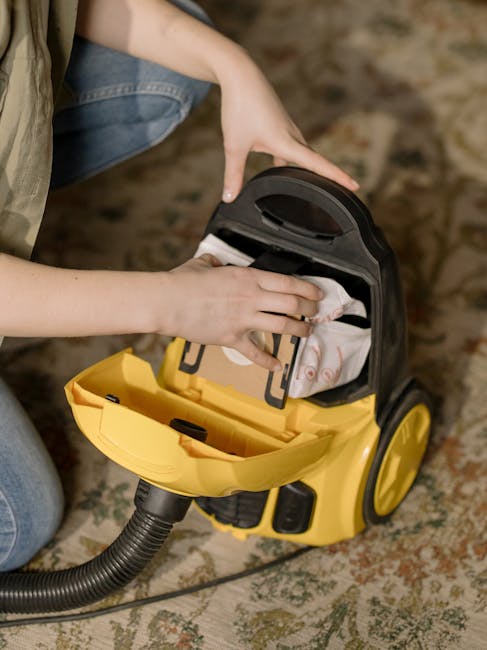
If you live on or near Sutton High Street, you already know the rhythm of the place: busy pavements, shoes carrying in grit, a bit of traffic dust, the odd spill after a long day. Carpets in local homes take a fair bit of punishment. That is why understanding the best carpet cleaning options for Sutton High Street homes matters so much. The right method can lift deep-down dirt, reduce stubborn smells, and help a room feel properly fresh again, not just "surface clean".
This guide walks you through the main choices, how they work, when each one makes sense, and what to watch out for if you want good results without damaging fibres or over-wetting the pile. It is practical, local, and aimed at real homes with real life going on in them.
Quick expert summary: For most Sutton High Street homes, the best results usually come from choosing a method that matches the carpet fibre, the level of soiling, and how quickly you need the room back in use. Steam cleaning is often the strongest all-round option, while spot treatment, dry cleaning, and specialist stain removal all have their place too.
Why carpet cleaning options for Sutton High Street homes matters
Carpets do more than soften a room. They catch dust, crumbs, pollen, pet dander, tracked-in dirt, and the small daily messes that build up before you notice them. In a place like Sutton High Street, where homes can be close to busier roads, shops, and foot traffic, carpets often collect extra grit and general wear. That can make them look dull even when they are not visibly stained.
Choosing the right cleaning option matters because not every carpet or problem needs the same treatment. A fresh spill on a synthetic hallway carpet is a very different job from a wool living room carpet that has slowly darkened over winter. One might need hot water extraction, another may need a gentler approach. Get it wrong and you can end up with browning, residue, shrinkage, or an unpleasant damp smell that lingers far too long. Not ideal, to be fair.
For many households, carpet cleaning is also about comfort and confidence. You walk in, the room smells cleaner, the pile feels softer underfoot, and everything just looks more cared for. That matters whether you are hosting guests, moving home, managing children and pets, or simply trying to keep on top of a busy week. If you are looking at broader home cleaning support too, services such as domestic cleaning and deep cleaning can work well alongside carpet care.
How carpet cleaning options for Sutton High Street homes works
Most carpet cleaning methods follow the same general logic: loosen dirt, lift it away, and manage drying properly. The differences are in how that happens.
1. Vacuuming and dry soil removal
This is the foundation. A proper vacuum removes loose dust and grit before any wet cleaning starts. If you skip this step, the machine has to work harder and the cleaning solution can turn surface dirt into a muddy film. That is one of those small details that makes a big difference.
2. Pre-treatment
Heavier traffic areas, stains, and spills are often pre-treated first. This may involve a suitable stain solution, an odour treatment, or gentle agitation. If you have a specific problem such as red wine, coffee, food marks, or pet accidents, a targeted approach is usually better than treating the whole carpet the same way. For these cases, stain removal and pet stain odour removal are worth considering.
3. Main cleaning method
This is where the chosen technique does the heavy lifting. The main options for Sutton High Street homes usually include:
- Steam carpet cleaning or hot water extraction for deep, thorough cleaning
- Dry carpet cleaning for faster drying and lower moisture use
- Spot cleaning for isolated marks
- Specialist stain treatment for difficult or older blemishes
- Rug cleaning for loose floor coverings that need separate care
You can read more about the deep-clean approach on the dedicated steam carpet cleaning page, which is often the best fit for busy family homes and high-traffic rooms.
4. Extraction or drying
Wet methods remove water and suspended dirt at the end of the process. That step matters because the less moisture left behind, the quicker the carpet can dry and the lower the risk of musty odours or marked pile. In a flat or a busy house where windows may stay shut for warmth, drying time becomes even more important.
5. Final grooming and checks
A good clean ends with the pile being brushed or groomed so it dries evenly and looks neat. Edges, corners, and high-wear zones should also be checked. If your home has nearby soft furnishings, it can be smart to consider sofa cleaning or upholstery cleaning at the same time so the whole room feels consistent rather than half-freshened.
Key benefits and practical advantages
The right carpet cleaning option does more than remove visible marks. Here is what homeowners usually notice first.
- A cleaner look: carpets often regain their colour and brightness once embedded soil is removed.
- Better feel underfoot: fibre can stand up again after dirt and residue are lifted.
- Less lingering smell: especially useful after pets, spills, or long winter months with closed windows.
- Better room hygiene: dust and allergens are reduced, which can make day-to-day living feel more comfortable.
- Improved first impressions: handy if you are hosting, selling, renting out, or simply want your home to feel looked after.
- Longer carpet life: regular maintenance helps prevent grit from acting like sandpaper on the fibres.
There is also a practical money angle. Replacing a carpet is far more disruptive and expensive than maintaining it properly. A sensible cleaning routine can help you delay that big outlay by years. And if you live in a property with mixed flooring, the same overall care approach may extend to hard floor cleaning in kitchens, hallways, or bathrooms.
Who this is for and when it makes sense
Carpet cleaning is not just for "obviously dirty" carpets. In practice, many homes benefit from it before the carpet looks bad at all.
It makes sense if you:
- have a hallway, landing, or living room that sees a lot of foot traffic
- live with children or pets
- are dealing with a spill, stain, or odour that has not shifted with normal cleaning
- have just moved in and want a fresher start
- are moving out and want the property to present well
- have had building work and fine dust has settled into soft flooring
- have allergies and want to reduce dust build-up
Some people book carpet cleaning as part of move-in cleaning or move-out cleaning. Others prefer it as part of a one-off refresh before visitors arrive or after a rough patch of bad weather. Truth be told, the "right time" is often simply when you notice the carpet no longer matches the rest of the room.
If your building has shared entrances or common floors, it may also be sensible to think about communal area cleaning alongside your own home cleaning plan. Shared dirt has a habit of finding its way indoors.
Step-by-step guidance
If you are trying to choose between carpet cleaning options for a Sutton High Street home, use this simple process.
- Identify the carpet type. Wool, synthetic, mixed fibres, and rugs can all respond differently.
- Look at the problem. Is it general dullness, a single stain, pet odour, or a heavy traffic build-up?
- Think about drying time. Can the room be left for several hours, or do you need it usable quickly?
- Check for special risks. Delicate fibres, antique rugs, colour-fastness issues, or recent DIY work can change the approach.
- Choose the method. Steam cleaning for deep soil, dry cleaning for speed, targeted stain treatment for spot issues.
- Prepare the room. Move small items, pick up loose objects, and clear access to the carpet edge if possible.
- Test if needed. On sensitive carpets, a discreet test area can prevent surprises.
- Ventilate after cleaning. Open windows where practical and keep air moving to help the carpet dry evenly.
- Review the result. Check traffic lanes, corners, and any remaining marks once the carpet is dry.
If you want a broader spring-clean style reset, you might pair carpets with one-off cleaning or add window cleaning so the room feels brighter all around. Small change, big lift.
Expert tips for better results
Here are the things that make the biggest difference in real homes.
- Vacuum slowly and thoroughly. Quick passes do less than you think. Give busy areas a proper going-over.
- Treat stains as early as possible. The longer a spill sits, the more it can bond with fibres and backing.
- Use the gentlest effective method. More moisture is not always better. Sometimes it just means longer drying and more risk.
- Protect delicate fibres. Wool and blended carpets often need more careful temperature and solution choices.
- Keep an eye on odours. If a stain has soaked through, surface cleaning alone may not reach the source.
- Think in zones. Hallways, stairs, and living rooms wear differently. A single "one-size" method is not always the best answer.
- Groom the pile after cleaning. It helps the carpet dry evenly and look more consistent.
One more thing, and this sounds obvious until it isn't: if a quote seems vague, ask what is actually included. Pre-treatment, stain work, drying expectations, and furniture moving can all change the experience quite a bit.
For more specialised cleaning across fabric items, you may also find rug cleaning and curtain cleaning useful for keeping the whole room in balance. Clean carpet plus dusty curtains is a bit like washing your car and leaving mud on the doors. It happens.
Common mistakes to avoid
Carpet cleaning can go wrong in small, annoying ways. Most of them are avoidable.
- Using too much water: this can lead to long drying times and possible browning or wicking.
- Scrubbing aggressively: it can damage fibres and spread the stain further.
- Ignoring the backing: some stains go deeper than the surface and need more than a quick top clean.
- Cleaning without testing: especially risky on older carpets or unknown fibres.
- Overusing household products: too many chemicals can leave residue that attracts dirt again.
- Leaving damp carpets closed up: stale air and poor ventilation are a bad mix.
- Expecting every stain to vanish instantly: some marks fade, some improve, and some need specialist treatment.
A common one in high-traffic homes is "quick fix fatigue" - you tackle the same hallway mark again and again with a spray and a cloth, but never fully remove what caused it. At that point, a more considered treatment is usually the better call.
Tools, resources and recommendations
You do not need a van full of gadgets to maintain carpets well at home, but a few sensible tools help.
- A decent vacuum cleaner with suitable height settings and a clean filter
- Microfibre cloths for blotting spills rather than rubbing them in
- A carpet-safe stain treatment used carefully and sparingly
- A soft brush or carpet rake for lifting the pile after cleaning
- Fans or good ventilation to support drying
- A jug or bucket for tidy spot-treatment mixing if needed
From a service perspective, the most useful resources are usually the ones that fit your actual home rather than an idealised one. For example, if the issue is not just carpet but a broader refresh after life has got busy, regular cleaning can help keep soil build-up under control between deeper visits. If you are dealing with a heavily soiled property after renovation or repairs, after builders cleaning can be the better starting point because fine dust often settles into fibres.
For homes that value lower-waste habits, it is also reasonable to think about how frequently you clean, how much product you use, and whether a targeted repair approach is enough before replacing anything. The team's recycling and sustainability approach may also be worth reviewing if that matters to you.
Law, compliance, standards, and best practice
Carpet cleaning in a home setting is not usually a heavily regulated task in the way some trades are, but there are still sensible best practices to follow. In the UK, anyone carrying out cleaning work should take care around product use, manual handling, electrical equipment, and slip risks. That sounds dry, but it matters in ordinary homes with kids, pets, stairs, and tight hallways.
Good practice usually means:
- using cleaning products safely and as instructed
- keeping walkways clear while equipment is in use
- managing moisture so floors do not become slippery
- checking the carpet fibre before choosing a method
- taking care around sockets, skirting, and low furniture
- being clear about what a service does and does not include
If you are booking a professional service, it is sensible to look for transparent handling of safety and insurance. A trustworthy provider should be able to explain how they work in a home, how they manage risk, and how they handle complaints or payment securely. For peace of mind, pages such as insurance and safety, health and safety policy, payment and security, privacy policy, terms and conditions, and complaints procedure can help set expectations clearly.
And, yes, if you ever need to ask about the company itself, a quick look at about us is usually a decent place to start. Nothing fancy. Just the basics done properly.
Options and comparison table
Here is a simple comparison of the main carpet cleaning options for Sutton High Street homes.
| Method | Best for | Drying time | Strengths | Watch-outs |
|---|---|---|---|---|
| Steam carpet cleaning | Deep soil, traffic lanes, overall refresh | Moderate | Strong all-round clean, good for embedded dirt | Needs proper drying and the right fibre care |
| Dry carpet cleaning | Homes needing a quicker turnaround | Fast | Low moisture, less disruption | May be less effective on heavy soiling |
| Spot stain treatment | Small spills, isolated marks | Fast to moderate | Focused, efficient, cost-effective | Not enough for widespread dullness |
| Odour treatment | Pet accidents or persistent smells | Varies | Targets the source of the smell | May need deeper extraction too |
| Rug cleaning | Loose rugs, runners, delicate pieces | Varies | Specialist care for movable floor coverings | Different fibres may need separate handling |
If your home has a mix of carpet and hard flooring, pairing the right services can be efficient. For example, a hallway refresh might include carpet work plus hard floor cleaning, while bedrooms sometimes benefit from carpet and mattress care together through mattress cleaning. It is the combined effect that makes a room feel properly sorted.
Case study or real-world example
Here is a realistic example, without the fancy marketing gloss.
A Sutton High Street family home had a light beige carpet in the living room and hallway. Over time, the hallway had picked up a greyish tone from daily foot traffic, pushchairs, and winter grit. The living room had a separate problem: a small food spill near the sofa that had left a patchy mark and a faint smell after a few warm days.
The best solution was not one single treatment for everything. The hallway needed a deeper, whole-area clean to lift the overall dullness. The spill needed targeted stain treatment first, then a controlled extraction clean around the area. The sofa nearby also benefited from a separate fabric treatment, because some of the smell had migrated into the upholstery.
The useful lesson? One room can have more than one carpet problem at once. A good cleaning plan treats each issue for what it is, rather than forcing the same process everywhere. That sounds small, but it saves a lot of disappointment.
Practical checklist
Use this before you book or start any carpet cleaning work.
- Identify the carpet fibre if you can.
- Check whether the issue is general dirt, a stain, an odour, or all three.
- Decide how quickly the room needs to be used again.
- Clear loose items, toys, and small furniture where practical.
- Test any product carefully on a hidden patch first.
- Ventilate the room during and after cleaning.
- Avoid overwetting the carpet.
- Use blotting, not rubbing, for fresh spills.
- Ask what is included in the service and what is extra.
- Consider related services if nearby fabrics or rooms need attention too.
Tip: If you are arranging carpet cleaning around a move or a larger household refresh, it can be helpful to bundle it with end of tenancy cleaning, house cleaning, or office cleaning for a more efficient day overall. Different situation, same idea: clean the space in the order that makes life easier.
Conclusion
There is no single best carpet cleaning option for every Sutton High Street home. The right choice depends on the carpet itself, the kind of dirt you are dealing with, and how much disruption you can tolerate. Steam cleaning gives a strong deep clean for many households, dry cleaning suits quicker turnarounds, and stain-specific treatment is the smart answer when the issue is localised.
If you remember nothing else, remember this: match the method to the problem, not the other way around. That one habit saves time, money, and a fair bit of frustration. And when the carpet is finally clean, the whole room tends to feel calmer somehow - like the house has taken a proper breath.
Get a free quote today and see how much you can save.
Frequently Asked Questions
What is the best carpet cleaning method for a Sutton High Street home?
For many homes, steam carpet cleaning is the strongest all-round choice because it removes deep soil and refreshes traffic areas well. That said, dry cleaning may be better if you need faster drying, and targeted stain removal is the smarter option for one-off marks.
How often should carpets be professionally cleaned?
There is no perfect one-size-fits-all answer. Busy family homes, pet households, and properties with heavy foot traffic often need cleaning more often than a quiet spare room. Many people work to a "when it starts to look or smell tired" rule, which is simpler and honestly more realistic.
Can carpet cleaning remove old stains?
Sometimes, yes. Older stains can often be improved, but not every mark will disappear completely. It depends on the fibre type, the original spill, how long it has been there, and whether any previous products were used on it.
Is steam cleaning safe for wool carpets?
It can be, but only when the method, temperature, and cleaning solution are suitable for wool. Wool needs more care than many synthetic carpets, so a cautious approach and a proper test patch are sensible.
How long does carpet take to dry after cleaning?
Drying time varies with the method, airflow, carpet thickness, room temperature, and how much moisture was used. Lighter methods dry faster, while deep extraction can take longer. Good ventilation makes a noticeable difference.
Will carpet cleaning get rid of pet smells?
It often helps a great deal, especially when the cleaning reaches the source of the odour rather than just the surface. In stronger cases, a dedicated odour treatment may be needed alongside cleaning.
What should I do before a carpet cleaner arrives?
Pick up small items, move light furniture if agreed, vacuum if requested, and point out any stains or problem areas. If there are delicate items in the room, it is worth moving those too. A tidy room makes the whole process smoother.
Is dry carpet cleaning better than steam cleaning?
Not always. Dry cleaning is useful when quick drying is the priority, but steam cleaning usually gives a deeper overall result. The best method depends on the carpet condition and how much soiling is present.
Can I clean hallway carpets the same way as bedroom carpets?
Usually not. Hallways tend to collect more grit and wear, so they may need a stronger or more frequent clean than a bedroom carpet. It is better to treat each area according to how it is used.
Do I need professional help for a small stain?
Not always. Fresh spills can sometimes be managed with careful blotting and gentle spot treatment. But if the stain is old, spread out, or already has an odour, professional help is often worth it.
Can carpet cleaning help with allergies?
It may help by reducing dust, pollen, and general debris trapped in fibres. It is not a medical treatment, of course, but a cleaner carpet can make a room feel fresher and less dusty.
How do I choose between carpet cleaning and rug cleaning?
If the floor covering is fixed in place, you are looking at carpet cleaning. If it is a loose rug or runner, dedicated rug cleaning is usually the safer, more suitable choice because rugs can have different backings and fibres.
What should I ask before booking a cleaner?
Ask which method they recommend, how long drying usually takes, whether stain treatment is included, and what care they take around delicate fibres. Clarity upfront saves awkwardness later. Always good, that.